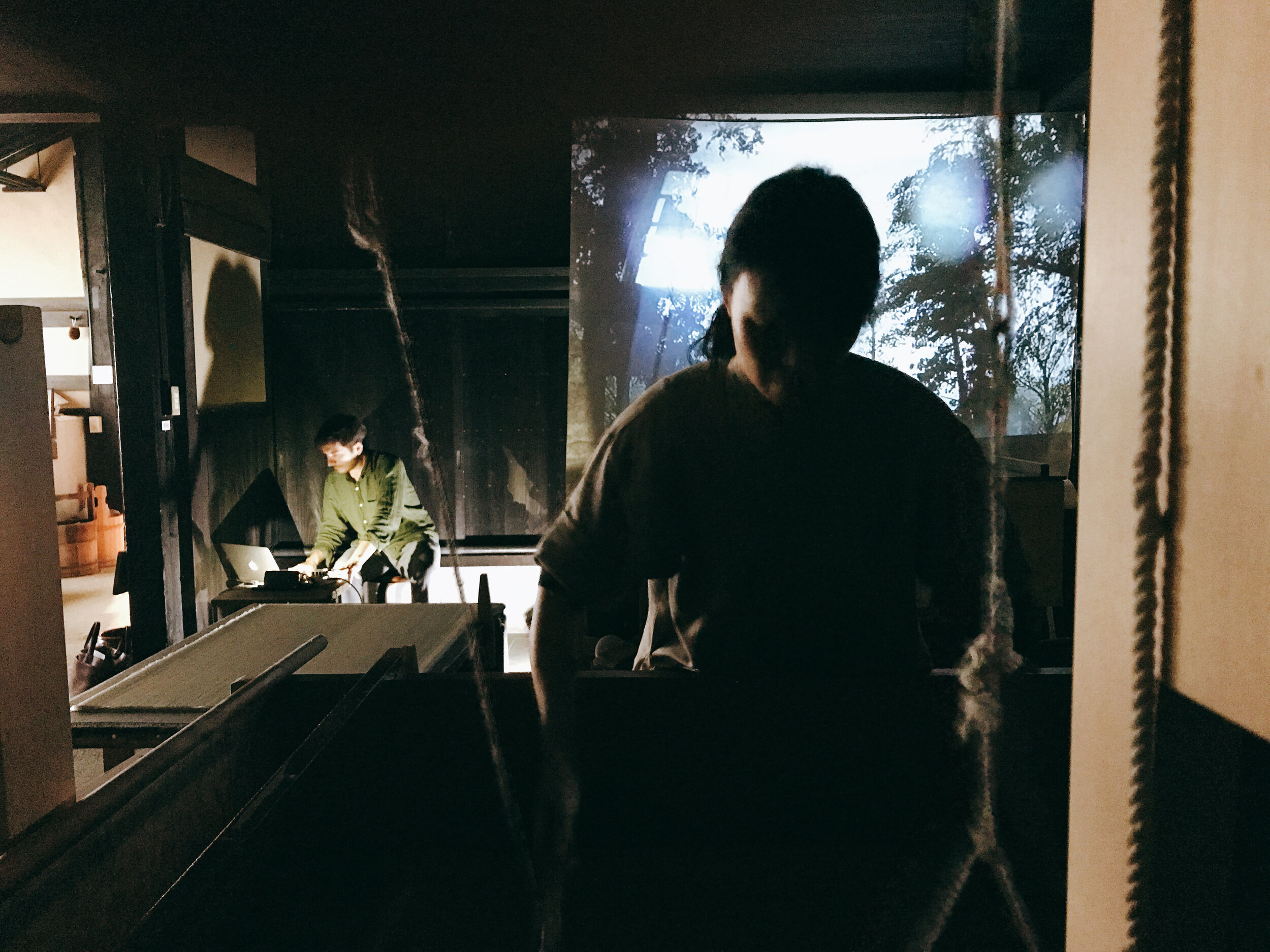
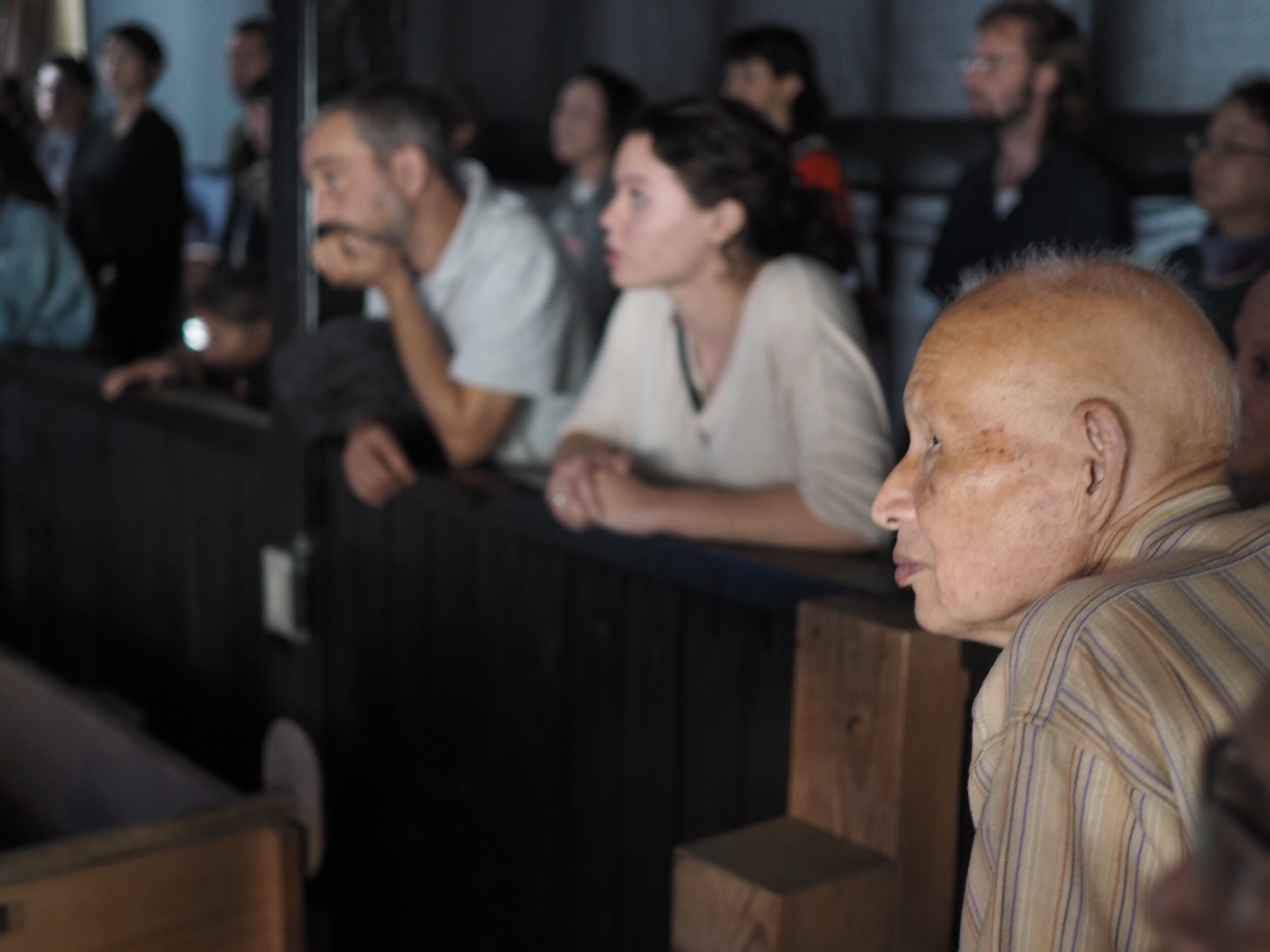
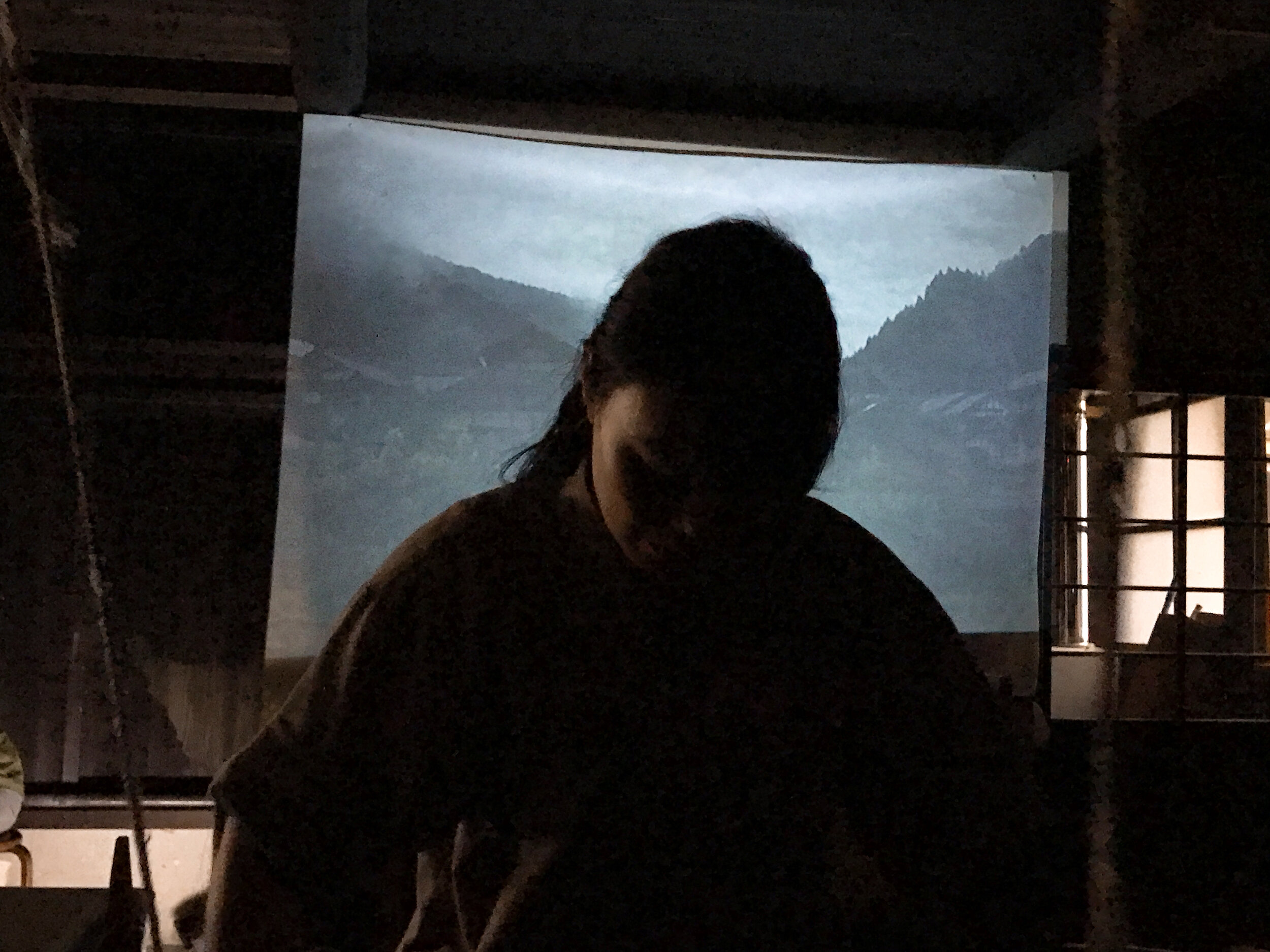
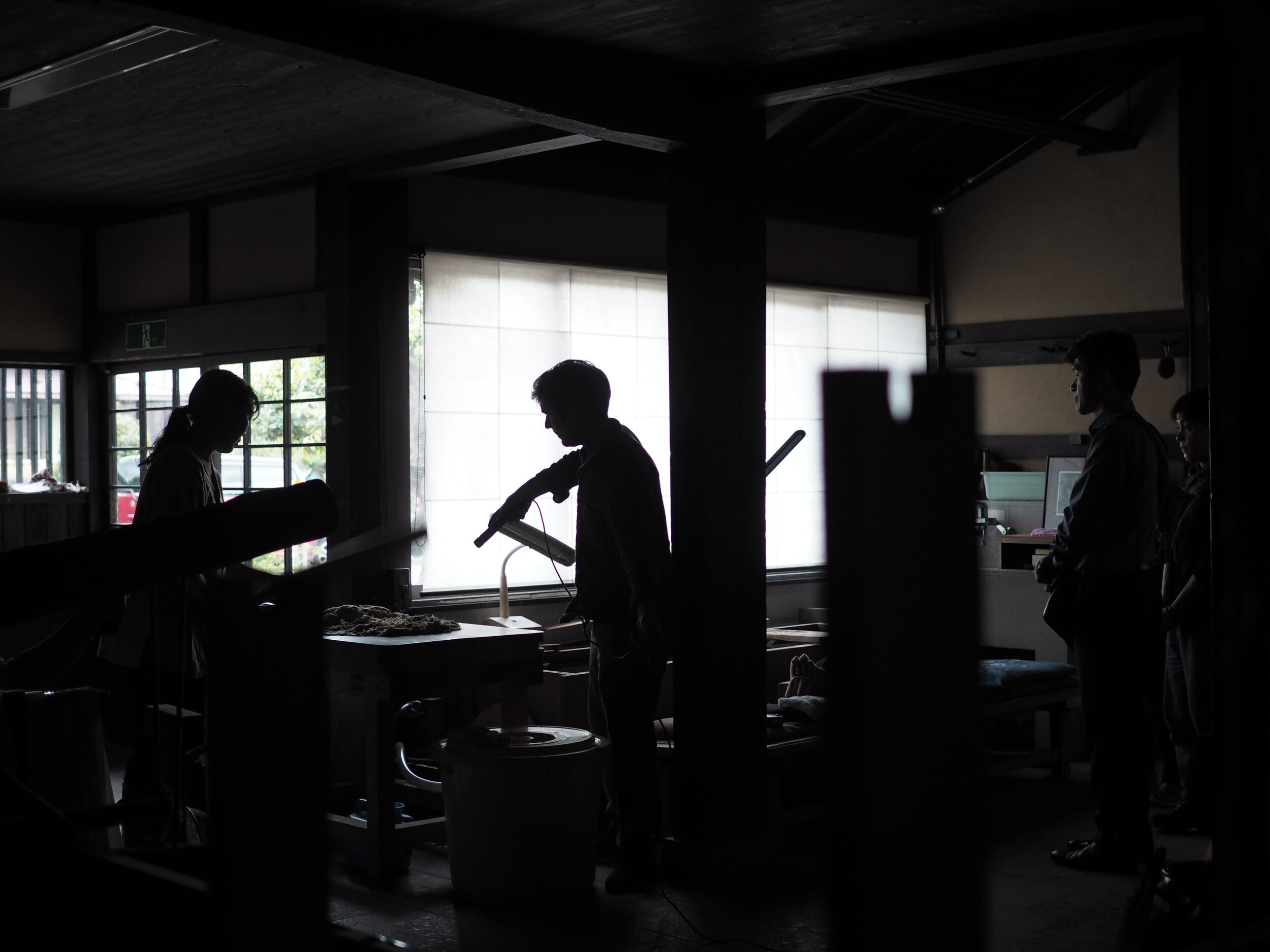
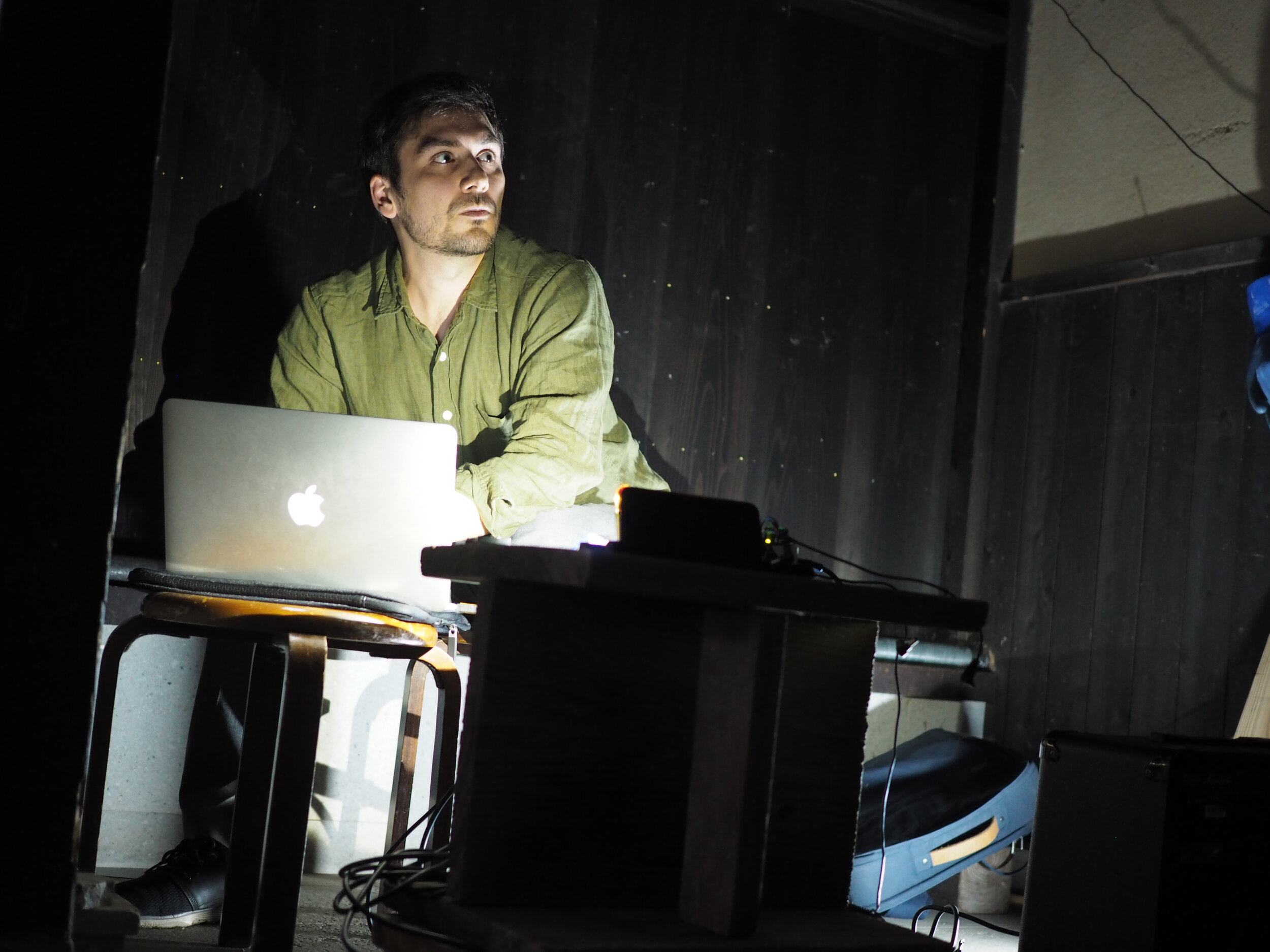
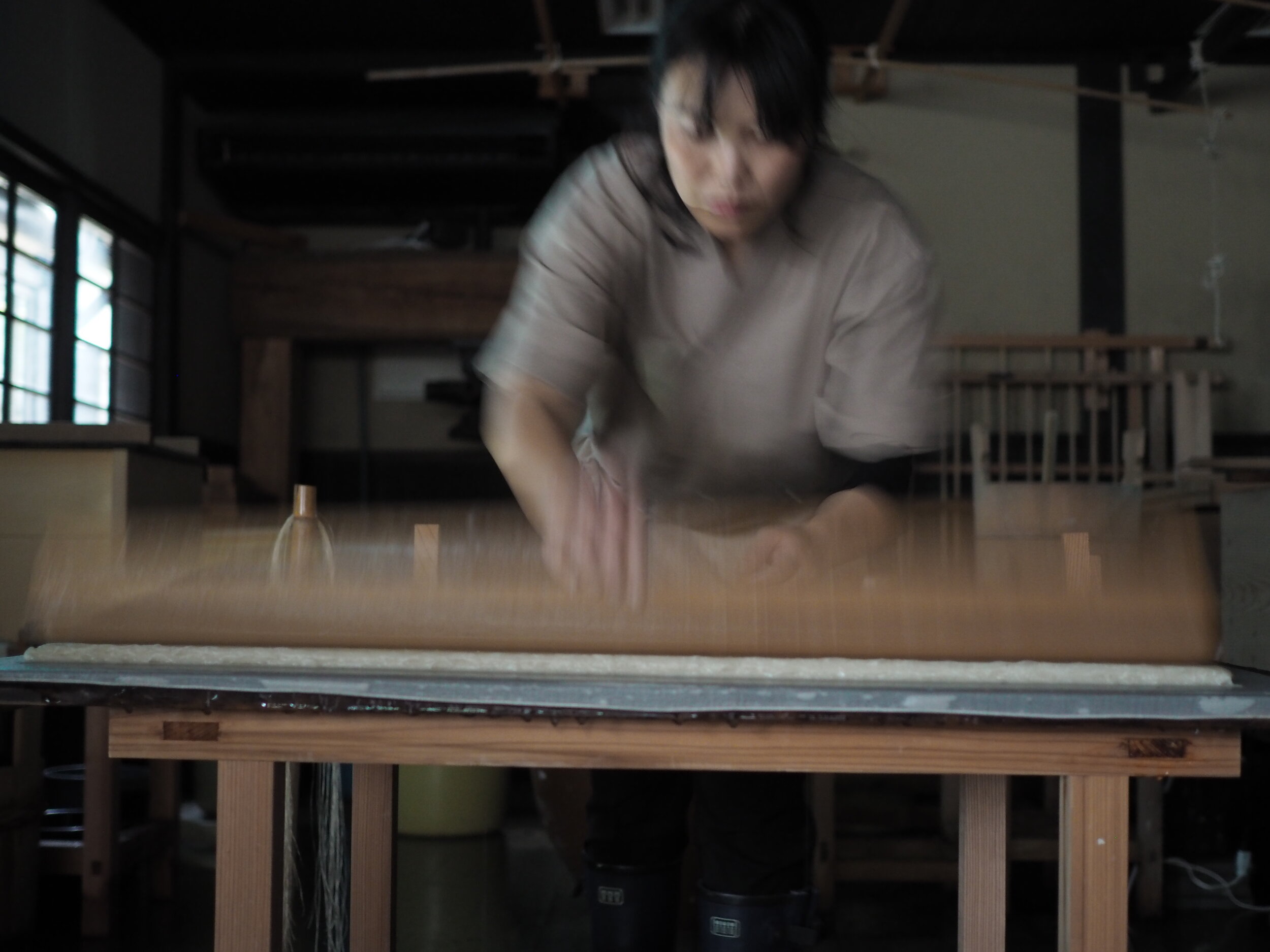
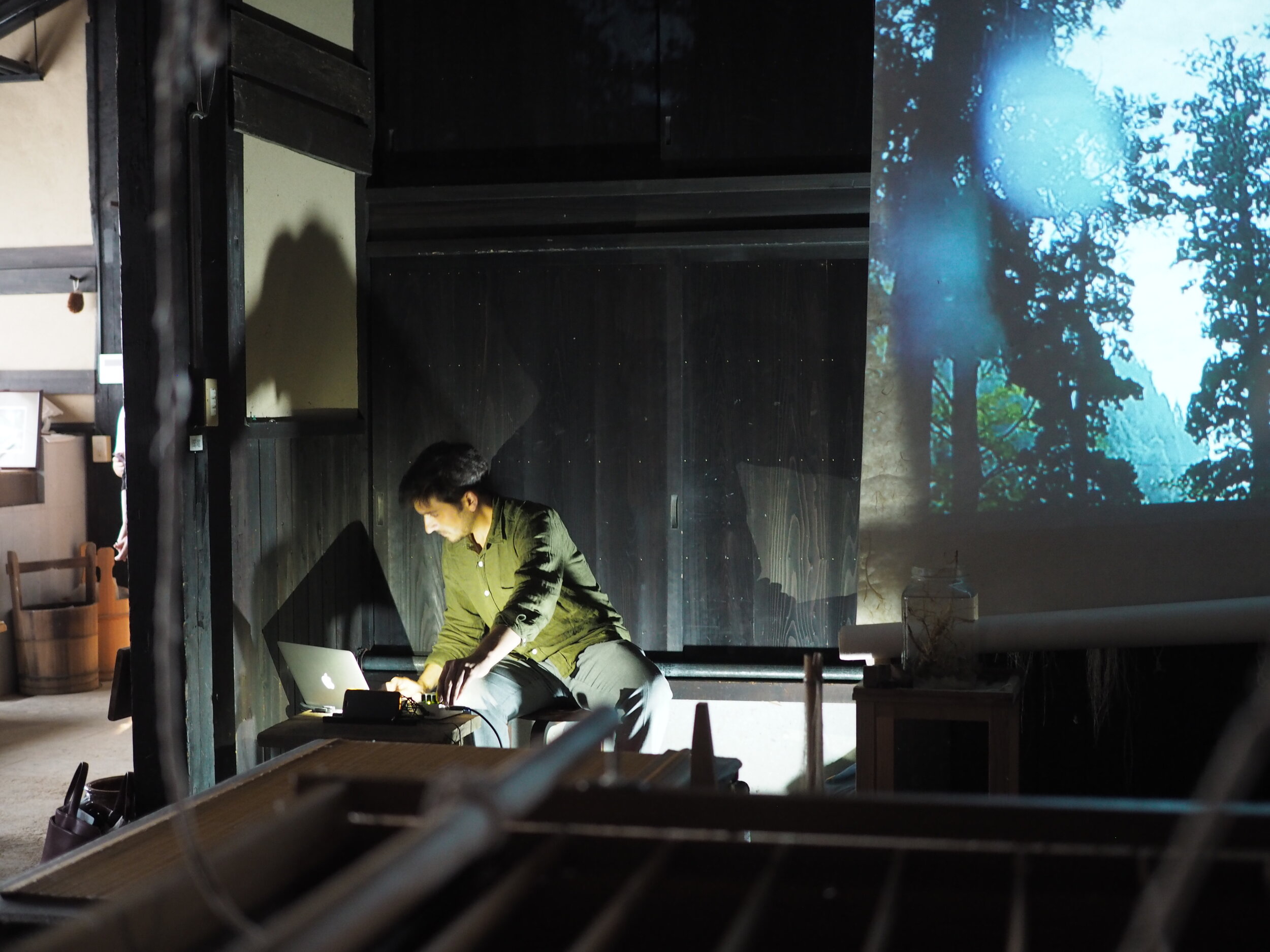
Title: village tones (Part 1) Artist: Nicholas Cladis (featuring Naho Murata) Media: audio-visual sound art performance featuring live papermaking and live papermaking sampling; additional samples and video made from field recordings done by the artist, and; original sound waves crafted by the artist to represent collected datasets regarding river systems and papermaking plant cultivation from 1926 to 2018 [Note: The original performance has been split into three parts here for viewing convenience.] Part 2: https://vimeo.com/372010330/b2826a126a Part 3: https://vimeo.com/372011620/e3100d9f64 Concept: This is mainly a story of water and the importance it plays in the world of paper, and — consequently — in my world, as well. The video shown here was made from footage taken entirely within the Echizen papermaking region. Additionally, the sounds come from field recordings captured within the area, as well as sound waves crafted from data retrieved from city and prefectural records. The sound waves crafted from data express rainfall levels for major Fukui river systems over the past 25 years (specifically, the Asuwa and Hino Rivers), paper mulberry (kozo) cultivation amounts [kg] in all of Japan from the Showa era (1926-89) to 2018, and hibiscus root (tororo-aoi) cultivation levels [kg] from the Showa era to 2018. Thank you to Ms. Naho Murato, friend, teacher, and master craftswoman, for participating in this project. She made paper in the dark on this day, in a 300-year-old papermaking studio. While she made paper, I used a mic and interface to record her sounds and loop/morph them, in combination with the soundwaves crafted from data.
Title: village tones (Part 2)
Artist: Nicholas Cladis (featuring Naho Murata)
Media: audio-visual sound art performance featuring live papermaking and live papermaking sampling; additional samples and video made from field recordings done by the artist, and; original sound waves crafted by the artist to represent collected datasets regarding river systems and papermaking plant cultivation from 1926 to 2018
[Note: The original performance has been split into three parts here for viewing convenience.]
Part 1: https://vimeo.com/372194228/a656a2fd4f
Part 3: https://vimeo.com/372011620/e3100d9f64
Concept: This is mainly a story of water and the importance it plays in the world of paper, and — consequently — in my world, as well.
The video shown here was made from footage taken entirely within the Echizen papermaking region. Additionally, the sounds come from field recordings captured within the area, as well as sound waves crafted from data retrieved from city and prefectural records. The sound waves crafted from data express rainfall levels for major Fukui river systems over the past 25 years (specifically, the Asuwa and Hino Rivers), paper mulberry (kozo) cultivation amounts [kg] in all of Japan from the Showa era (1926-89) to 2018, and hibiscus root (tororo-aoi) cultivation levels [kg] from the Showa era to 2018.
Thank you to Ms. Naho Murato, friend, teacher, and master craftswoman, for participating in this project. She made paper in the dark on this day, in a 300-year-old papermaking studio. While she made paper, I used a mic and interface to record her sounds and loop/morph them, in combination with the soundwaves crafted from data.
Title: village tones (Part 3)
Artist: Nicholas Cladis (featuring Naho Murata)
Media: audio-visual sound art performance featuring live papermaking and live papermaking sampling; additional samples and video made from field recordings done by the artist, and; original sound waves crafted by the artist to represent collected datasets regarding river systems and papermaking plant cultivation from 1926 to 2018
[Note: The original performance has been split into three parts here for viewing convenience.]
Part 1: https://vimeo.com/372194228/a656a2fd4f
Part 2: https://vimeo.com/372010330/b2826a126a
Concept: This is mainly a story of water and the importance it plays in the world of paper, and — consequently — in my world, as well.
The video shown here was made from footage taken entirely within the Echizen papermaking region. Additionally, the sounds come from field recordings captured within the area, as well as sound waves crafted from data retrieved from city and prefectural records. The sound waves crafted from data express rainfall levels for major Fukui river systems over the past 25 years (specifically, the Asuwa and Hino Rivers), paper mulberry (kozo) cultivation amounts [kg] in all of Japan from the Showa era (1926-89) to 2018, and hibiscus root (tororo-aoi) cultivation levels [kg] from the Showa era to 2018.
Thank you to Ms. Naho Murato, friend, teacher, and master craftswoman, for participating in this project. She made paper in the dark on this day, in a 300-year-old papermaking studio. While she made paper, I used a mic and interface to record her sounds and loop/morph them, in combination with the soundwaves crafted from data.